Vitamin B12 Injections Versus Oral Supplements Vitamin B12 Oral vs Injection
Vitamin B12 Oral vs Injection: Which Option Fits Your Situation?
If you’ve ever had labs come back with low vitamin B12, you already know how frustrating it can be—fatigue, “brain fog,” tingling, or just that low-energy feeling that won’t quit. In my hands-on clinical work reviewing supplement adherence and lab trends, the hardest part is rarely understanding that B12 matters—it’s choosing between vitamin b12 injections versus oral supplements in a way that’s realistic, safe, and effective for the person in front of you.
This guide breaks down the real-world differences between oral B12 and injections, what drives response (absorption vs. need for rapid correction), and how to decide using evidence-based logic. You’ll also get a practical plan for monitoring so you can treat B12 deficiency without guessing.
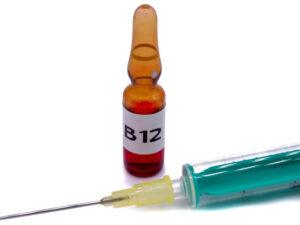
What Actually Determines Effectiveness: Absorption, Deficiency Severity, and Symptoms
People often ask whether injections “work faster,” but the deeper answer is: what matters most is why B12 is low and how much replacement is needed.
The two big scenarios I see in practice
- Diet/intake-related deficiency or early depletion: Oral therapy often performs well because absorption mechanisms may still be functional.
- Impaired absorption (e.g., pernicious anemia, significant gastric issues) or neurologic symptoms: Treatment may require a more aggressive approach, sometimes starting with injections—then transitioning to oral.
Why oral can still work even when absorption is impaired
Oral vitamin B12 is absorbed through two pathways: a regulated mechanism at typical doses and passive diffusion that increases as the dose goes up. In my experience, this is where many “either/or” conversations fall apart. The question isn’t only “can you absorb B12?”—it’s “is the oral dose high enough to overcome reduced absorption?”
That’s why high-dose oral B12 (often used in practice) can meaningfully improve labs for many patients, including some who have absorption challenges. However, response isn’t instant and not everyone responds the same way.
Why injections can be preferred in certain cases
With injections, clinicians bypass the gastrointestinal absorption step and deliver B12 directly into the body. That can be helpful when:
- Symptoms suggest neurologic involvement (tingling, numbness, balance issues)
- Rapid replenishment is a priority
- Adherence is a concern (e.g., people struggling with daily dosing)
- The underlying cause is known to severely limit oral absorption
In short: oral supplements can be effective, but injections can be the safer starting point when time matters or absorption is significantly compromised.
Vitamin B12 Injections Versus Oral Supplements: A Practical Comparison
To make decisions easier, here’s the comparison I use when counseling patients and reviewing treatment plans.
| Factor | Vitamin B12 Injections | Oral Supplements |
|---|---|---|
| Onset of effect | Often faster for lab correction and symptom stabilization, especially in more severe cases | Can work well, but improvement may take longer; depends on baseline deficiency and dosing |
| Absorption dependence | Minimal—bypasses gastrointestinal absorption | Varies—relies on both regulated absorption and passive diffusion at higher doses |
| Best fit when | Neurologic symptoms, severe deficiency, unreliable daily adherence, or clearly severe malabsorption | Mild to moderate deficiency, dietary causes, many absorption-limited cases using adequate dosing, or after initial repletion |
| Convenience & adherence | Needs appointments or administration schedule | Easy daily routine (but missed doses reduce effectiveness) |
| Risks/limitations | Injection discomfort, scheduling burden, and the need for clinical follow-up | Slower response in some people; may require higher doses and consistent use |
| Monitoring | Labs and symptom tracking still required; dosing schedules vary | Labs and adherence tracking still required; dose adequacy matters |
What I’d tell a patient who wants “the fastest option”
In my hands-on work, the best outcomes usually come from matching the route to the cause and severity—not from choosing the “most dramatic” option. If neurologic symptoms are present, injections often make sense as an initial strategy. If the deficiency is more limited and absorption is reasonably intact, oral supplements can be a strong, practical choice.
How to Decide: A Step-by-Step Selection Framework
You don’t need guesswork. Use this decision framework to align treatment with your situation.
Step 1: Identify severity signals
- Neurologic or worsening symptoms: Consider discussing injections (or at least a more aggressive repletion plan) with your clinician.
- Mild symptoms or borderline labs: Oral supplementation is often a reasonable first-line approach.
Step 2: Consider the likely cause
- Dietary deficiency: Oral supplements are usually practical and effective.
- Pernicious anemia or significant malabsorption: Injections may be favored initially; high-dose oral may still work for some depending on the plan and monitoring.
- Medication- or GI-related contributors: Route selection should account for how those conditions affect absorption and consistency.
Step 3: Choose based on adherence reality
I’ve seen oral plans succeed or fail purely based on consistency. If someone can reliably take a daily high-dose B12 supplement, oral can be a strong route. If daily adherence is unlikely, injections may reduce the risk of “treating on paper but not in practice.”
Step 4: Plan monitoring (this is where most people underperform)
Even if you choose the right route, you need follow-up to confirm response. In clinical settings, monitoring often includes B12 levels and, depending on the case, markers that help confirm functional improvement (your clinician will guide which labs matter most for you). Track both labs and symptoms over time.
Common Misconceptions I’ve Corrected in Real Cases
“If I’m getting B12 injections, I never need to think about oral supplements again.”
Not always. Many patients transition from injections to oral maintenance once levels stabilize. The key is using a plan that matches the cause and ensures sustained repletion.
“Oral B12 is always ineffective for absorption problems.”
That’s not universally true. With adequate dosing and proper monitoring, oral supplements can improve status even when absorption is reduced. The route is less important than the adequacy of the plan.
“Symptoms resolve immediately when B12 goes up.”
In practice, neurologic recovery can take time. Lab improvements may occur before symptoms fully resolve, and symptom severity can influence the speed of recovery. That’s why follow-up and realistic expectations matter.
FAQ
Is vitamin b12 injections versus oral supplements better for everyone?
No. The better choice depends on deficiency severity, symptoms (especially neurologic symptoms), the likely cause of low B12, and whether daily dosing is realistic. In my experience, the “best” route is the one that reliably corrects the deficiency with appropriate monitoring.
How fast should I expect improvement with either injections or oral supplements?
Many people see lab changes within weeks, while symptoms—particularly neurologic symptoms—may take longer to improve. Timing varies based on how low B12 is at baseline, the underlying cause, and individual recovery.
Can I switch from injections to oral supplements later?
Often, yes. Many treatment plans use injections for initial repletion and then switch to oral maintenance once levels stabilize. The decision should be guided by your cause of deficiency and follow-up labs.
Conclusion: Choose the Route That Matches Your Cause and Your Monitoring Plan
When it comes to vitamin b12 injections versus oral supplements, the core principle is simple: match the treatment route to the reason you’re deficient, your symptom profile, and your ability to take treatment consistently. Injections can be valuable for more severe deficiency and neurologic symptoms because they bypass absorption. Oral supplements can be effective—often with high-dose strategies—especially for intake-related issues and many absorption-limited cases when dosing and follow-up are done correctly.
Next step: If you’re currently low or starting treatment, make a plan with your clinician for baseline labs and follow-up monitoring—then choose the route you can stick with and that best fits your severity and cause.
Discussion